ODIN stands for Open-source Digital Identity Node. It’s a ready-to-roll digital emancipation box that drains your scattered digital data out of big corporate clouds aka data centers into a small box, and turns that data into living, usable services you control. In summary, actual digital freedom.
And yes: the ODIN Box also runs the BASIC blockchain node required for the network.
A handful of extremely powerful digital platforms have used their monopolies to ensure zero accountability regarding digital data ownership and privacy of ordinary people. Apart from committing large scale data thefts and monetizing stolen data by sale to third parties, these platforms are now using private and personal data for AI training. These same platforms are now also shamelessly changing rules of data takeouts, limiting storage access and applying new fees for previously free services.
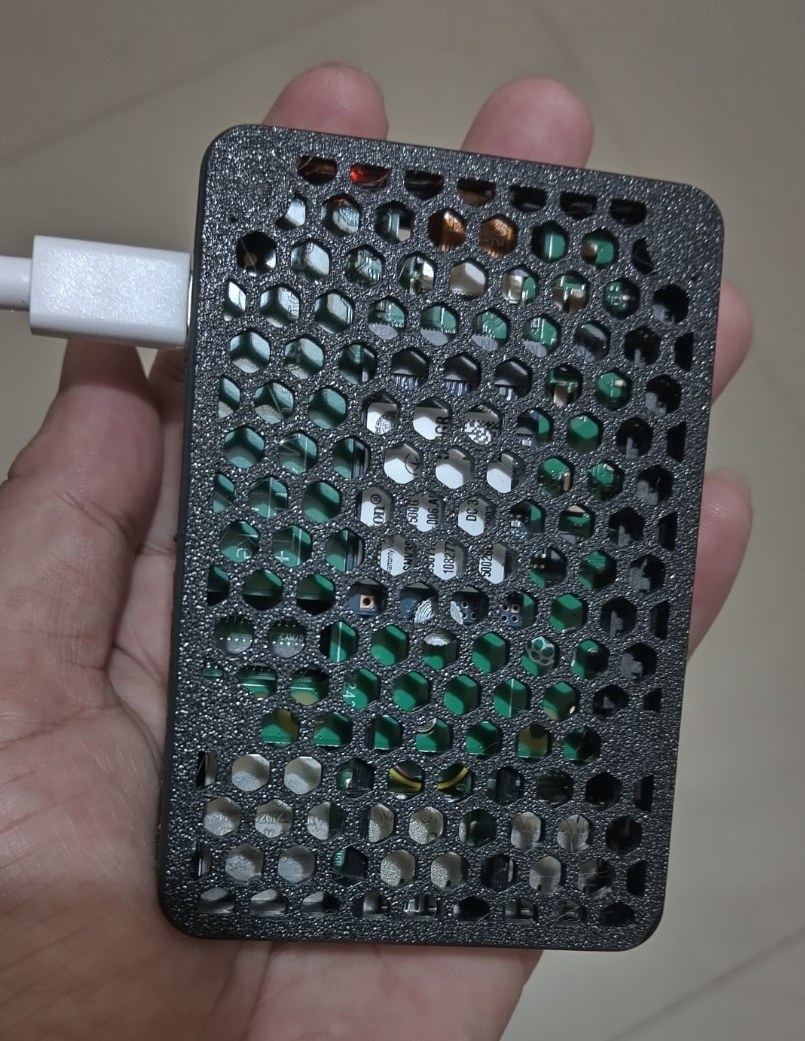
An ODIN Box is a small internet-connected server you own. It consolidates identity and services so you’re not stuck inside vendor silos. Instead of dead data(“download your data, store in some external hard disk and forget it”), ODIN helps you make it live again.
Emails · Online Photos and Videos · Personal Chat Server · Blockchain
A coherent identity home.
From cloud mailbox → your node.
Turn “dead data” into “live data”.
A required part of BASIC infra.
ODIN is designed to be affordable, compact, and power-efficient. Our recommended reference setup:
Small box, low power, widely available ecosystem — and “good enough” performance for identity + services + node workloads.
Extend ODIN beyond Google
Build connectors that extract iCloud archives and re-host them as live services on an ODIN node.
Turn export dumps into searchable, browsable, controllable “living” data on your own box.
The mission is universal: extract → normalize → re-host → control. Bring your own connectors.
No. Google is a common starting point because many people have 10–20 years of Gmail/Photos history. But ODIN is meant to be extended to iCloud and social platforms too.
It’s an internet-connected box. You can access it online (securely) from anywhere you allow — it’s not just a “local desktop” tool.
Yes. ODIN Boxes can run the BASIC blockchain node required for network participation and services.
That’s the intention: open specs + reference builds + community expansion.
Want an ODIN Box (Pi 5 + NVMe) built and configured — or want to contribute a connector for another platform? Reach out.